
 It seems appropriate that both Gary Wilson and Rod Serling share the same hometown of Endicott, NY as Wilson’s latest album sounds like the kind of music that one of his characters would be playing in a seedy nightclub staked just on the outskirts of the Twilight Zone. The artist known as Gary Wilson emerged from his parents’ basement sometime around 1977 fully formed, covered in flour, and sporting cat eye sunglasses with copies of his breakthrough album You Think You Really Know Me tucked under his arm ready to blow minds. The music contained on that record was an improbable hybrid of bedroom funk meets the avant-garde with just enough rock ‘n’ roll in its DNA to make it some previously unknown mutant form of pop music.
Things of course didn’t go exactly as planned. As Wilson’s late ’70’s and early ’80’s attempts at stardom fizzled, the artist retreated back into a self-imposed fortress of solitude in the form of a dead end job with a steady helping of playing regular lounge gigs on the side. Things picked back up again around the turn of the century with the rediscovery of his aforementioned magnum opus, and he’s been at the wheel ever since pumping out a torrent of releases both new and archival; there’s even been a Christmas album for God’s sake.
The King of Endicott is a love letter from Gary to his hometown, chock full of homages and references to his city of a thousand lights. Wilson seems to be trying to put himself back there with recollections of places and lovers who might be real or imagined, it’s sometimes really hard to tell what’s what in the Wilson-verse, or what exactly is lurking beneath the surface on even the sunniest of musical offerings on here. With lyrics that read more like the artist’s inner monologue than anything necessarily based in reality. While some of the artist’s edgier musical proclivities have been sanded down with time, what’s remains is the pulse of a drum machine, and a gnawing obsession with wanting to be wanted; peppered with just enough of his trademark weirdness lurking around the edges to make you feel uncomfortably at home. The King of Endicott makes it clear that Gary Wilson is still here, and still waiting to take on that perfect date to the park in his magic city. If you’re game for a real sick trip, swipe right.
Order the album direct from the artist.
 Based on the sounds contained on Chicago-based avant-folkie Bill MacKay’s latest album
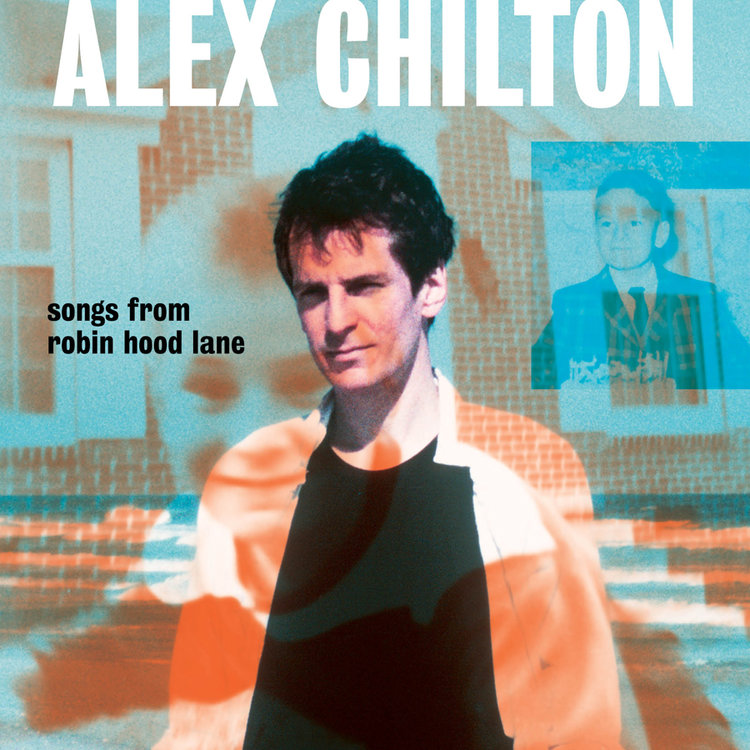 For a long time, whenever someone brought up the term or referred to The Great American Songbook, my eyes would roll a bit. Rightfully or not, it conjured images of a crooning Rod Stewart delivering bland covers of American popular songs and jazz standards from yesteryear. Having raised myself on scrappy indie rock, The Velvet Underground, and a little bit of punk in high school, this wasn’t the kind of music that spoke to me in my teenage and early college years. So, when I began to discover the music of Big Star and Alex Chilton, the kind of cool jazz presented on Songs From Robin Hood Lane was pretty far off my radar and frame of reference. Although, I would eventually come around (at least a little).
 Time Flies is the latest excursion from Ben Rosenbach’s one-man electronic post-rock project Our Alarm Clock. Now a Dad in his thirties, he spent most of his formative musical years playing in playing in Christian rock bands. His latest is a collection on which the worship rock alumni takes us through a secular and mostly wordless song cycle filled with deep pockets of ambient, pop, and post-rock; all of which are all filtered through his spiritually honed inner lens.
 There’s a chasm of time, sobriety, and emotional distance that separates From Memphis to New Orleans one of Bar None’s latest Alex Chilton compilations from what some consider his most vital work both with Big Star, and his equally ground breaking art-damaged punk informed late’s 1970’s solo work. That’s not to say there isn’t plenty to love on here, but you might just have to open your mind a bit to appreciate what’s being presented here. My introduction to this era of Alex was via the Rhino Compilation 19 Years: A Collection back when I was in college. At first, I just didn’t get it all. How did the wounded brilliant soul behind the emotional chaos of Big Star’s 3rd morph into the guy delivering the tongue in cheek sleaziness of “Take It Off” by the end of the collection? I was mystified, and more than a little non-plussed at first. Which probably would have delighted Alex to no end. I think that’s a lot of fans’ initial reaction to this stuff who come into this era of Alex’s work via Big Star fandom.
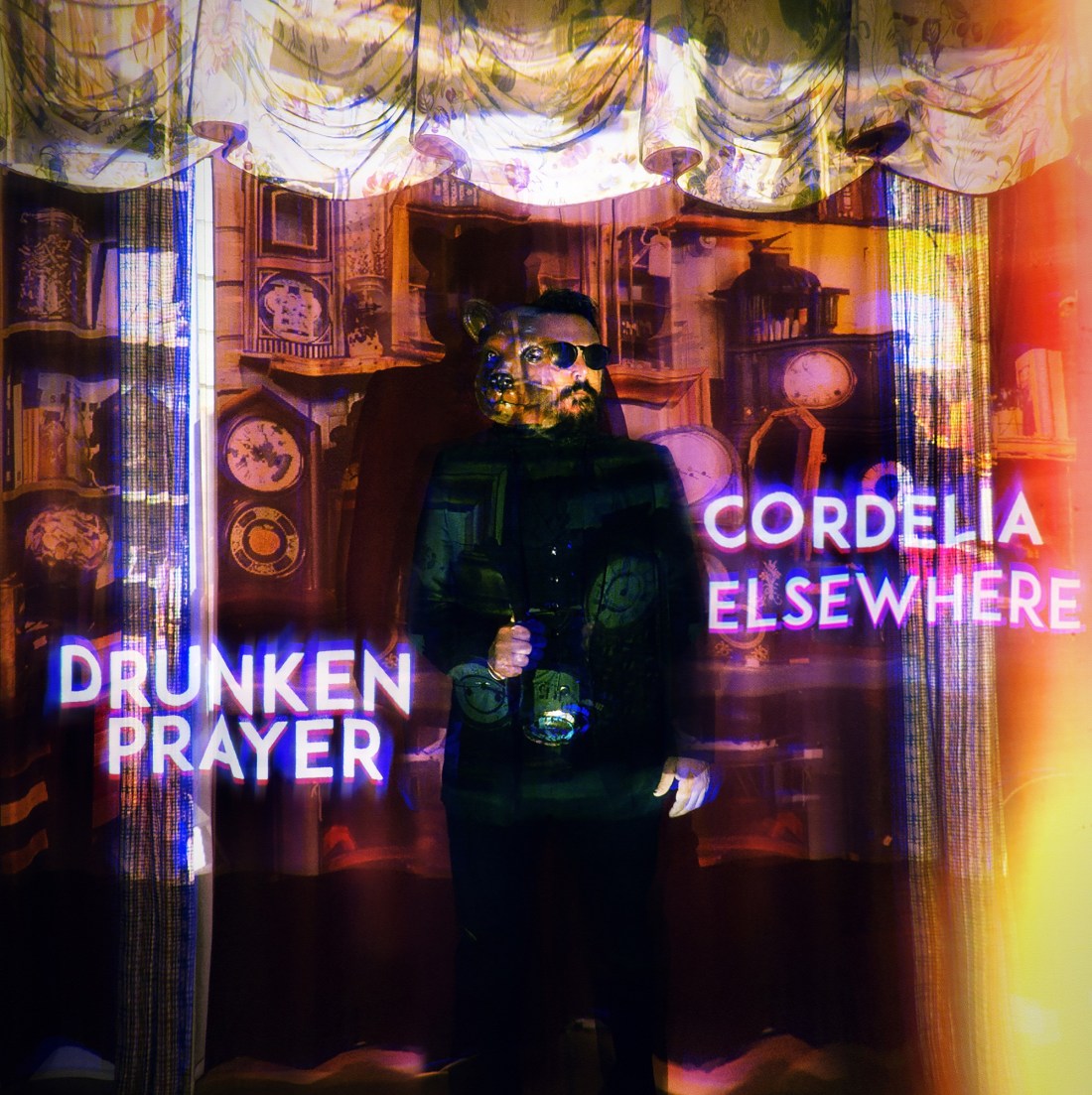 Cordelia Elsewhere is the fifth album from Drunken Prayer, which is the nom de plum of stalwart Freakwater guitarist Morgan Geer. It plays like a collection of aural snapshots gathered from a life spent on the road. “I hate what they did to my town, so I moved to another town.” Geer sings on the ragged and rockin’ “Cordelia.” It appears that he’s always been a traveler, a trend that began as he followed his folk singer mom around the country on tour as a youth.
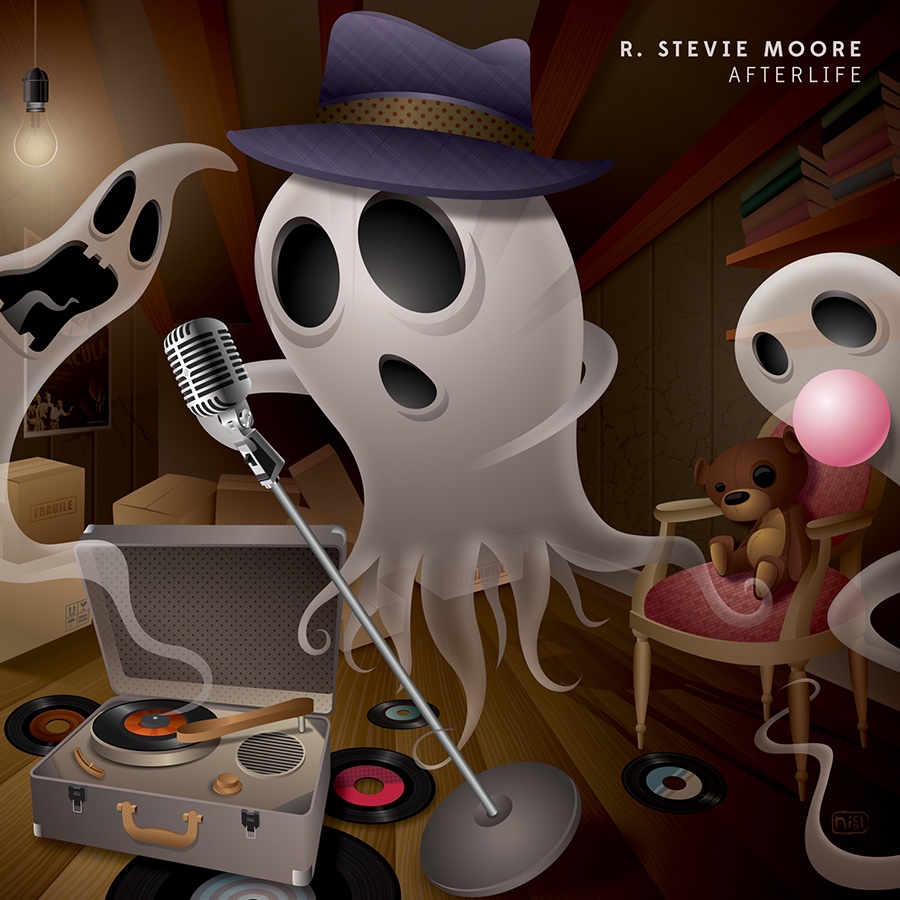 Curmudgeonly Godfather of DIY, R. Stevie Moore has been responsible for springing hundreds of self-released albums on the unsuspecting public for over the past 50 years. Taking the universal sounds of The Beatles, early Zappa, The Beach Boys, and Todd Rundgren (to name just a few), he excels at shaping these influences into his own unique brand of outsider pop that exists in a universe all its own.
 Sparrow Steeple’s Tin Top Sorcerer is the group’s debut for best label Trouble In Mind, and it’s a tight collection of some real gone Philadelphia-style psychedelic garage rock stompers. The kind they don’t really make anymore. You can almost hear the cans of watery domestic ales popping between takes, and picture the ramshackle recording set up these guys committed these whoppers to tape on. These guys have the credentials that are needed to pull this kind of stuff off, as four members of the band used to be part of the legendary 1990’s Siltbreezers known as The Strapping Fieldhands.
 Motel In Saginaw
 The 13th Track