
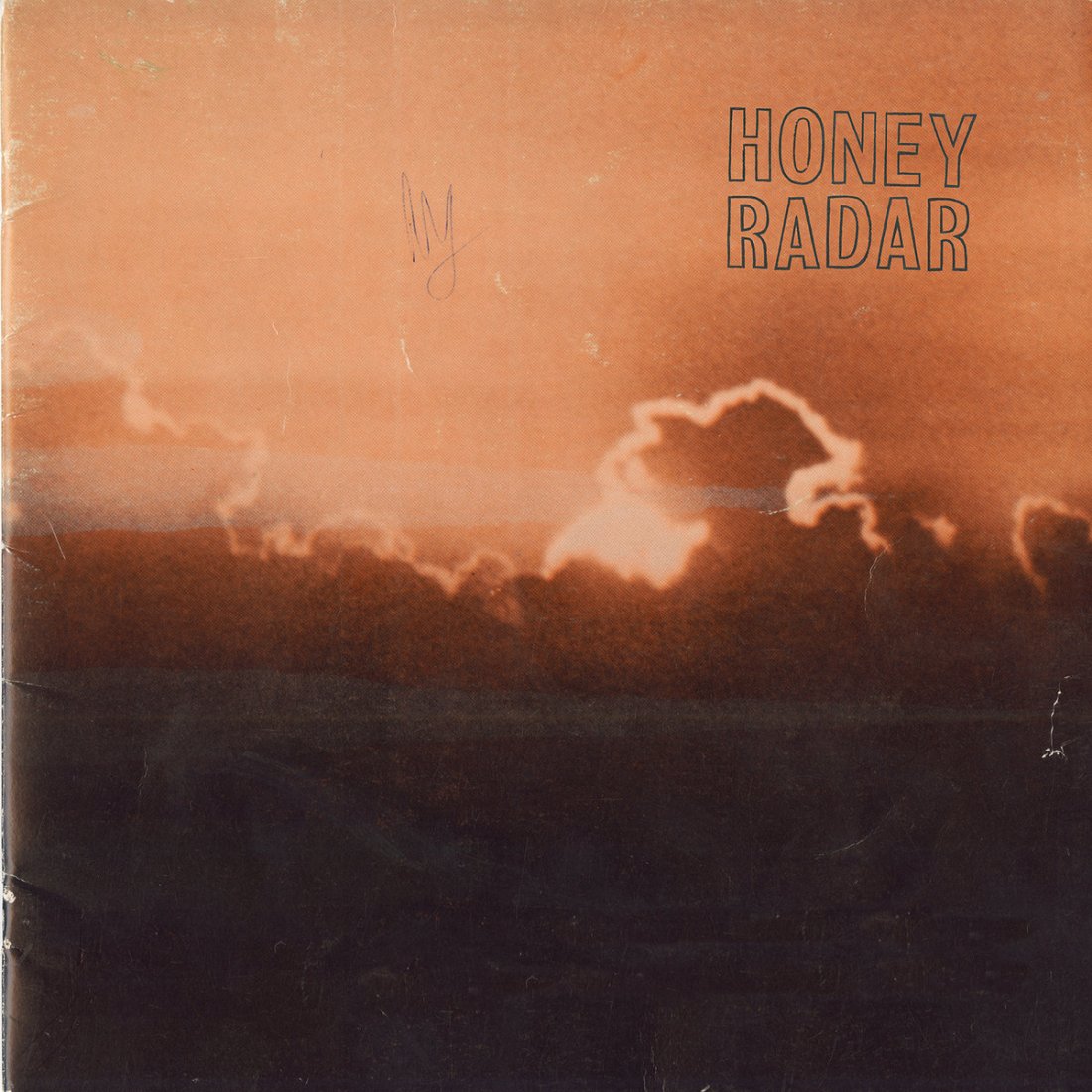
Listening to Honey Radar’s latest album Ruby Puff of Dust reminds me of that scene in High Fidelity where Jack Black’s record store snob character in the film creates an instant demand for The Beta Band’s The Three E.P.’s by playing it in the record shop owned by John Cusack’s character in the film. If I’m being honest, I’m not that crazy about Jack Black or The Beta Band (there goes the former insufferable clerk in me rearing its ugly head), but the truth of the matter is that any shop employee worth their salt who attempts the same stunt with Honey Radar’s latest will definitely be sending those crate digging heads to the shop counter when they hear it in exactly the same way.
You might ask why, and that would be a fair question I suppose. I’ve been listening to this record a lot the past couple weeks trying to pinpoint the exact reason for that. Here’s the best answer I can come up with. The group specializes in a potent cross-hybridization of 1990’s lo-fi indie and 1960’s psychedelic garage, cut with just enough d.i.y. mystique to make the whole thing irresistibly cool. Imagine classic lineup era GBV trying really hard to cut Piper at the Gates of Dawn in their basement, and you’ve got something pretty close to what these guys are up to. If the above couple of sentences has got you feeling pretty enticed, just wait until it hits the in-store play rotation at a record shop near you (if one still exists). I guarantee I’ll see you in line.
Buy the album via Bandcamp.

 It’s got to be difficult to be an old school indie rock band in 2019, even one as good as Joseph Airport. Considering the sea of indifference that most bands of their guitar slinging ilk are forced to sail on in this day and age. I for one am glad they soldier on, especially when the fruits of their collective labor are albums as good as Diorama Pt. 2.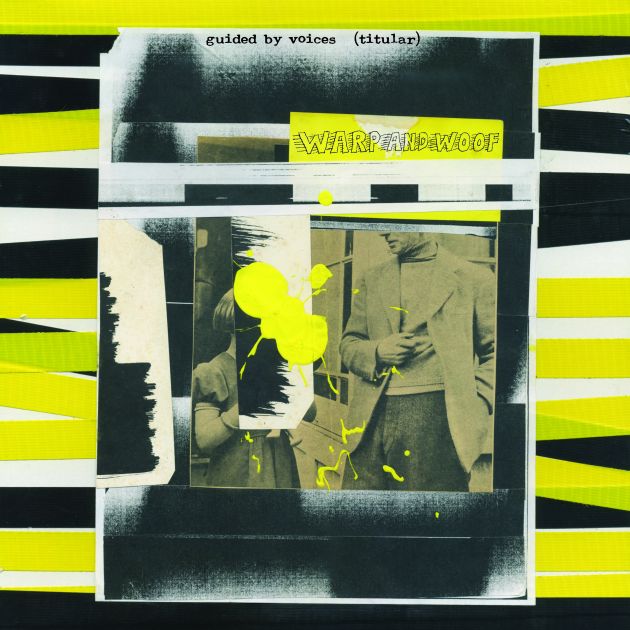
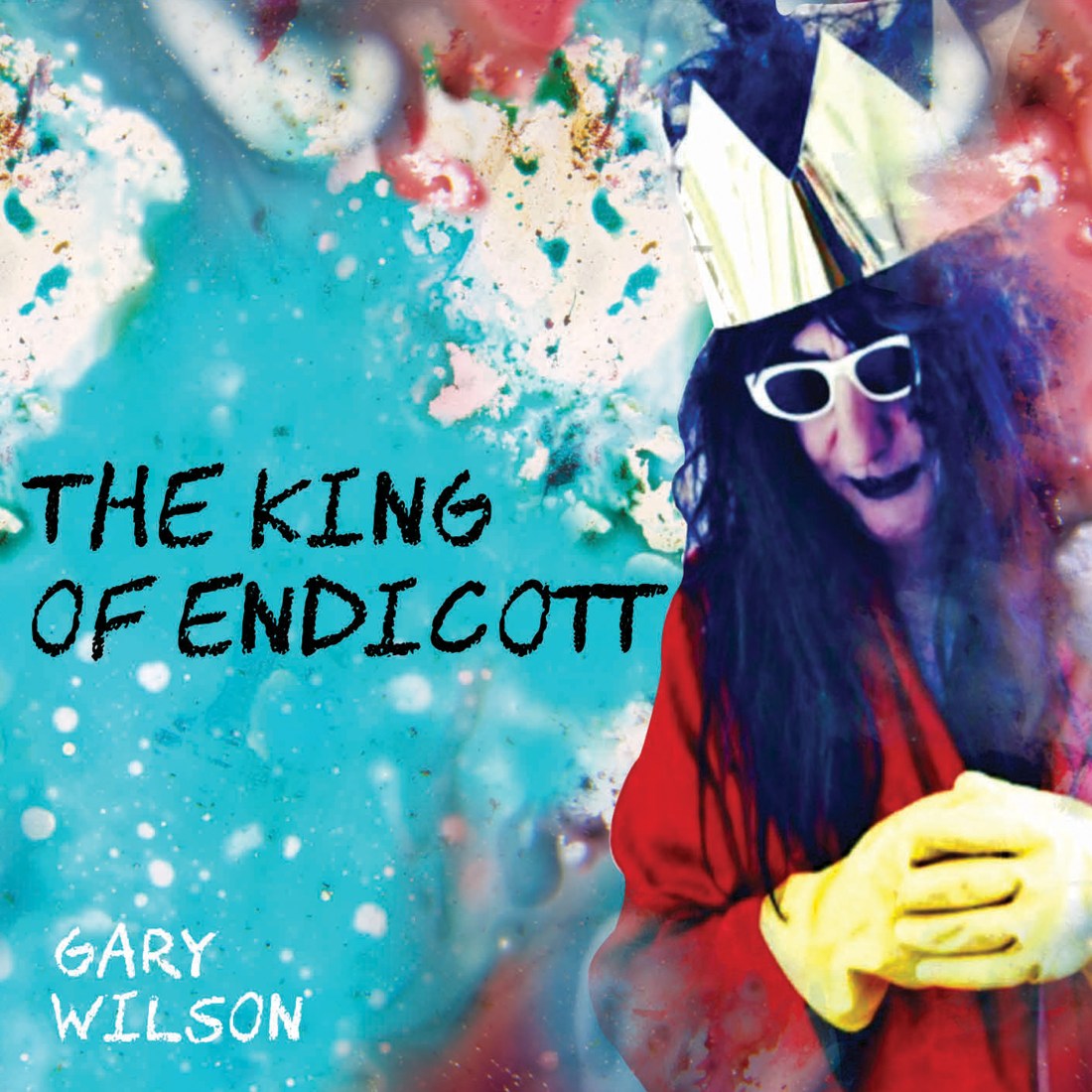 It seems appropriate that both Gary Wilson and Rod Serling share the same hometown of Endicott, NY as Wilson’s latest album sounds like the kind of music that one of his characters would be playing in a seedy nightclub staked just on the outskirts of the Twilight Zone. The artist known as Gary Wilson emerged from his parents’ basement sometime around 1977 fully formed, covered in flour, and sporting cat eye sunglasses with copies of his breakthrough album You Think You Really Know Me
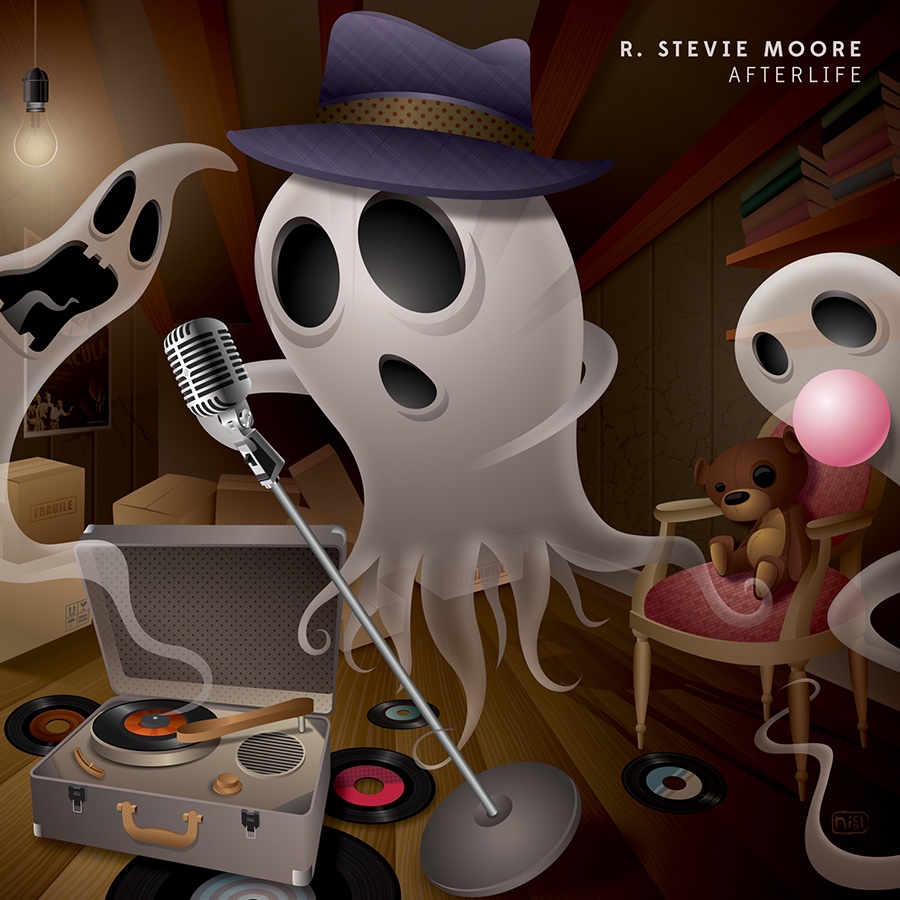 Curmudgeonly Godfather of DIY, R. Stevie Moore has been responsible for springing hundreds of self-released albums on the unsuspecting public for over the past 50 years. Taking the universal sounds of The Beatles, early Zappa, The Beach Boys, and Todd Rundgren (to name just a few), he excels at shaping these influences into his own unique brand of outsider pop that exists in a universe all its own.
 The 13th Track