
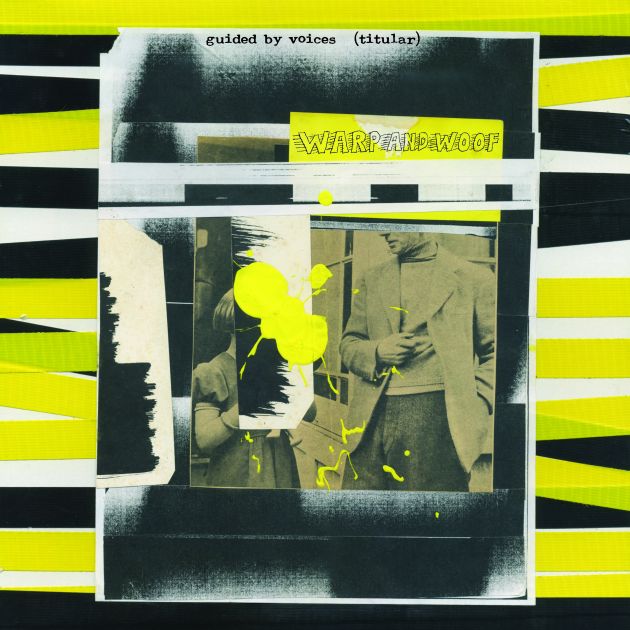
Sometimes I think that it must be exhausting being Robert Pollard. Hell, sometimes it feels exhausting just being a casual fan. After dropping a double album Zeppelin Over China only a few months back, the fading captain sails back into port with another offering under his arm from his most reliable crew Guided By Voices. The aforementioned album in question is Warp and Woof, and while it’s credited to the same rock solid lineup that has graced the past few exemplary efforts, it feels like a different animal altogether.
The album’s genesis started with an itch by Pollard to record some quickie EP’s following the completion of their last album, however when a boombox writing session produced six fully formed songs in under half an hour, it seemed another album was brewing faster than previously expected. I imagine this would probably be a surprise to absolutely no one in the Pollard-verse given this guys proclivity for cranking out tunes. Although this time there seems to be an element of Pollard having his (August by) cake and eating it too, as the material that comprises Warp and Woof was first released a series of 4 7″ EPs (which are the amazingly titled 100 Dougs, Wine Cork Stonehenge, Umlaut Over The Ozone, and 1901 Acid Rock) prior to the albums release proper. Although GBV’s label Rockathon issued the following disclaimer about those cheapskates thinking about getting just the EP’s and not the album proper, “Just because you have the 4 EP’s doesn’t mean you have the album! Our Uncle Bob is the king of sequencing.” As far as that whole thing goes, I think I’m just gonna leave it to the GBV podcast dude, to figure all that out as far as what’s what. I’m sure that episode should be dropping any day now (if it hasn’t already).
What I do know is that Warp and Woof has a looser more fragmented vibe than anything else that has been credited to GBV’s so-called “new classic lineup” thus far. For those familiar with the GBV oeuvre, think Alien Lanes or somewhat more recent reference point Let’s Go Eat The Factory. That’s probably the more spontaneous circumstances of the writing and recording with guitar tracks being cut at sound checks or in a van hurtling at 60-plus m.p.h with Pollards’ vocal tracks being laid down in hotel rooms or small studios. Unlike the past few albums which featured compositions that were meticulously crafted by producer Travis Harrison, and the group into miniature alternative universe arena rock epics using Pollard’s boombox sketches as the blueprint. The end result is collection of tracks that whips by faster than the mile marker signs on your way to the next gig with plenty of left turns, and unexpected detours. Quicker, dirtier, and more psychedelic; should probably be the disclaimer on the hype sticker. If all this sounds like your cup of tea when it comes to GBV, then perhaps it’s time for another faster than expected motel check in with Uncle Bob.
Order the album via Rockathon.
 Local Band Feel is a column dedicated to shining a light on music that’s happening around the corner, down the block, or a few towns over in our particular corner of the Pennsylvania wilds. We encourage you to support the bands featured, should you feel so inclined.
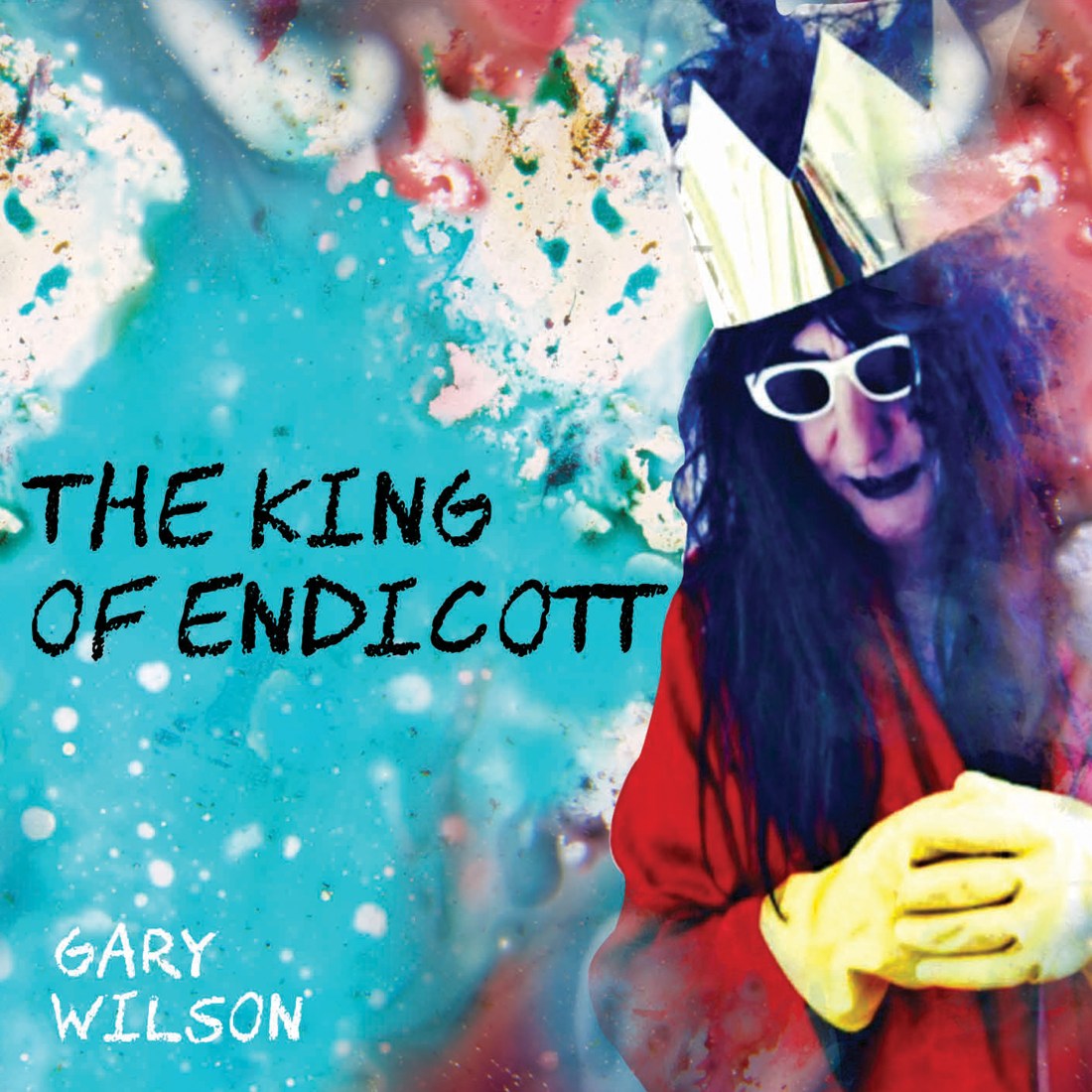 It seems appropriate that both Gary Wilson and Rod Serling share the same hometown of Endicott, NY as Wilson’s latest album sounds like the kind of music that one of his characters would be playing in a seedy nightclub staked just on the outskirts of the Twilight Zone. The artist known as Gary Wilson emerged from his parents’ basement sometime around 1977 fully formed, covered in flour, and sporting cat eye sunglasses with copies of his breakthrough album You Think You Really Know Me
 Based on the sounds contained on Chicago-based avant-folkie Bill MacKay’s latest album
 Local Band Feel is a column dedicated to shining a light on music that’s happening around the corner, down the block, or a few towns over in our particular corner of the Pennsylvania wilds. We encourage you to support the bands featured, should you feel so inclined.
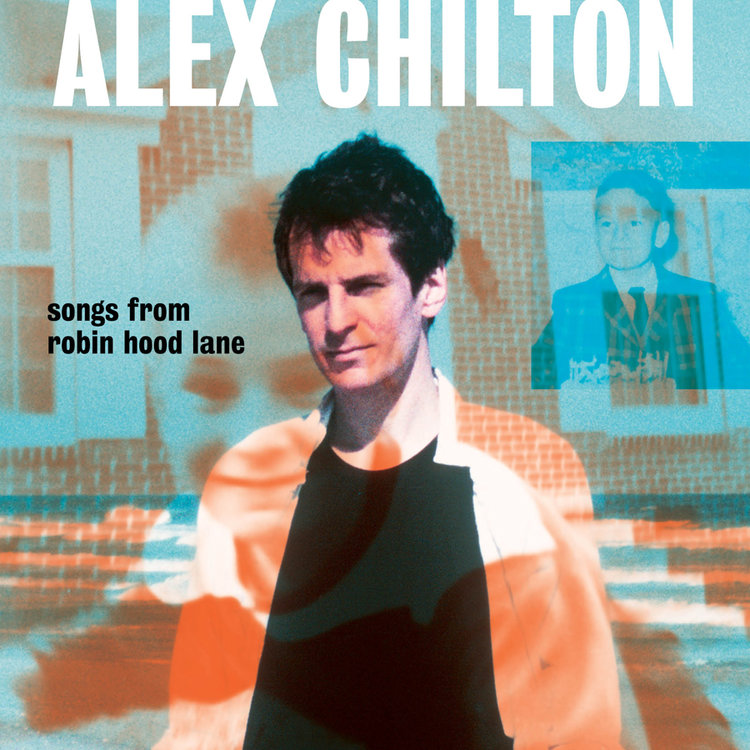 For a long time, whenever someone brought up the term or referred to The Great American Songbook, my eyes would roll a bit. Rightfully or not, it conjured images of a crooning Rod Stewart delivering bland covers of American popular songs and jazz standards from yesteryear. Having raised myself on scrappy indie rock, The Velvet Underground, and a little bit of punk in high school, this wasn’t the kind of music that spoke to me in my teenage and early college years. So, when I began to discover the music of Big Star and Alex Chilton, the kind of cool jazz presented on Songs From Robin Hood Lane was pretty far off my radar and frame of reference. Although, I would eventually come around (at least a little).
 Time Flies is the latest excursion from Ben Rosenbach’s one-man electronic post-rock project Our Alarm Clock. Now a Dad in his thirties, he spent most of his formative musical years playing in playing in Christian rock bands. His latest is a collection on which the worship rock alumni takes us through a secular and mostly wordless song cycle filled with deep pockets of ambient, pop, and post-rock; all of which are all filtered through his spiritually honed inner lens.
 There’s a chasm of time, sobriety, and emotional distance that separates From Memphis to New Orleans one of Bar None’s latest Alex Chilton compilations from what some consider his most vital work both with Big Star, and his equally ground breaking art-damaged punk informed late’s 1970’s solo work. That’s not to say there isn’t plenty to love on here, but you might just have to open your mind a bit to appreciate what’s being presented here. My introduction to this era of Alex was via the Rhino Compilation 19 Years: A Collection back when I was in college. At first, I just didn’t get it all. How did the wounded brilliant soul behind the emotional chaos of Big Star’s 3rd morph into the guy delivering the tongue in cheek sleaziness of “Take It Off” by the end of the collection? I was mystified, and more than a little non-plussed at first. Which probably would have delighted Alex to no end. I think that’s a lot of fans’ initial reaction to this stuff who come into this era of Alex’s work via Big Star fandom.
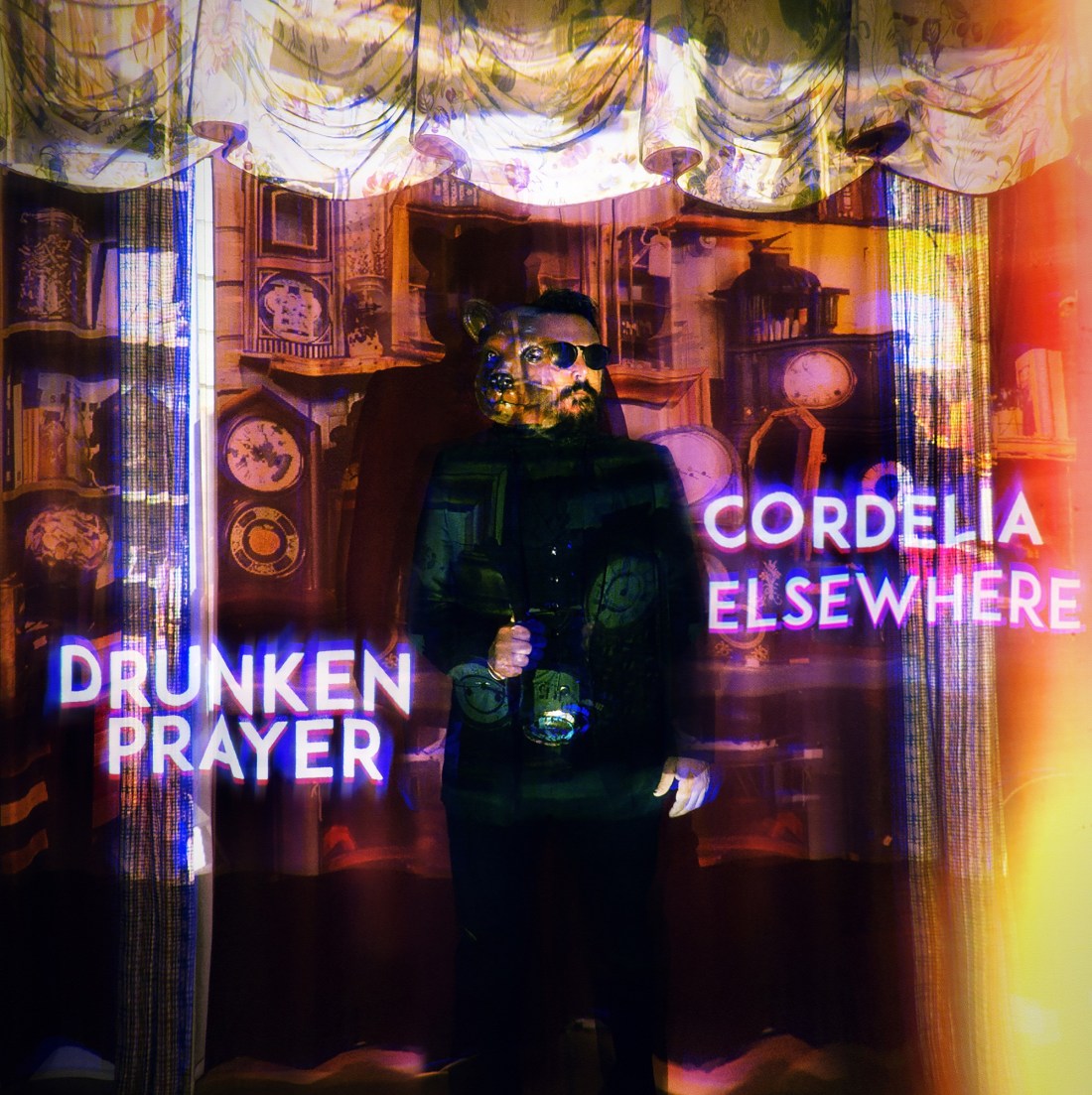 Cordelia Elsewhere is the fifth album from Drunken Prayer, which is the nom de plum of stalwart Freakwater guitarist Morgan Geer. It plays like a collection of aural snapshots gathered from a life spent on the road. “I hate what they did to my town, so I moved to another town.” Geer sings on the ragged and rockin’ “Cordelia.” It appears that he’s always been a traveler, a trend that began as he followed his folk singer mom around the country on tour as a youth.
 The 13th Track