
 Local Band Feel is a column dedicated to shining a light on music that’s happening around the corner, down the block, or a few towns over in our particular corner of the Pennsylvania wilds. We encourage you to support the bands featured, should you feel so inclined.
I remember these guys from a few years back when I was helping organize some bands to play a local arts fest. They seemed like a bunch of unassuming friendly dudes. One of the things that stuck out most was that the guitar they used was a battered fiesta red Fender Jag-Stang. There was something about the groups out of time approach that seemed perfectly encapsulated in their choice of that timeline scrambled Kurt Cobain designed axe.
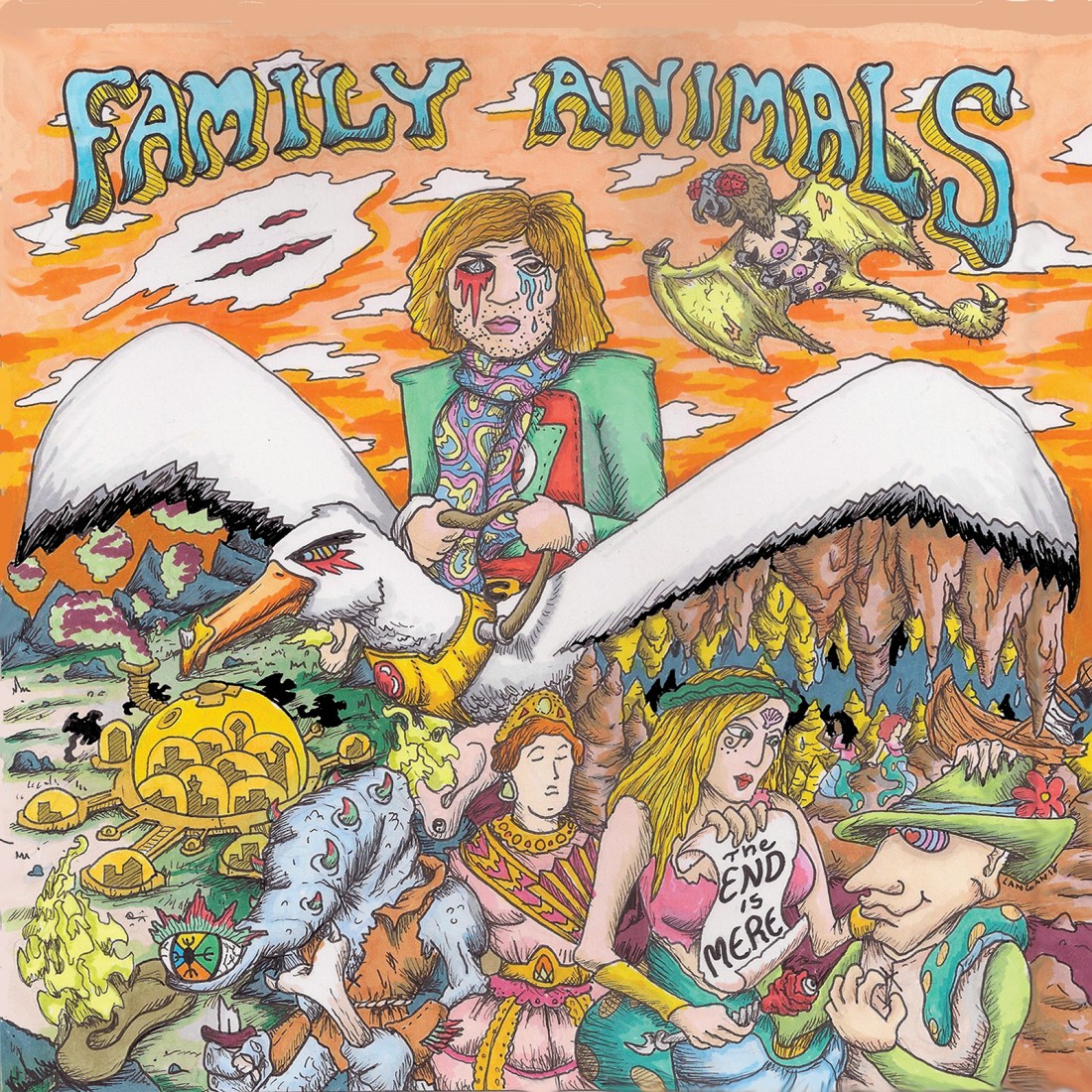
The band that I’m talking about is the Family Animals, and up for review today is their latest The End Is Mere. A trio comprised of two brothers, drummer Anthony Viola and vocalist-guitarist Jesse Viola along with best pal Frank DeSando on bass. The group has racked up the miles playing hundreds of shows and putting out seven proper releases over the past few years. It’s evident they have that intangible type of telepathic connection that bands get after playing together for an extended period of time.
There seem to be three p’s that matter the most to these guys: punk, psych and prog. I’m happy to report that their latest delivers the goods on all fronts. Wrapped in some very groovy psychedelic art courtesy of another former local Brian Langan (SW!MS, Langor, Needle Points, etc) that perfectly matches the surreal sci-fi world the band has created on this semi-concept album. It’s a song cycle that manages to never take itself too seriously. There’s a Zappaesque playfulness about the proceedings that manages to shine through especially on tracks like “Guitarbot 4000 & The Two Tongued Twins (Live at Magnitard’s Tavern),” while “Captain Z Bop’s Friendly Friends” seems to use The Strawberry Alarm Clock’s “Incense and Peppermints” as a launching pad for a Nuggets influenced jam all its own. Those are just two examples on an album full of absurdist left turns, and a crazy amount of variety from song to song. The End Is Mere feels like a kaleidoscopic postcard from the edge of the group’s own far out musical universe. Hop on aboard; it’s a trip well worth taking.
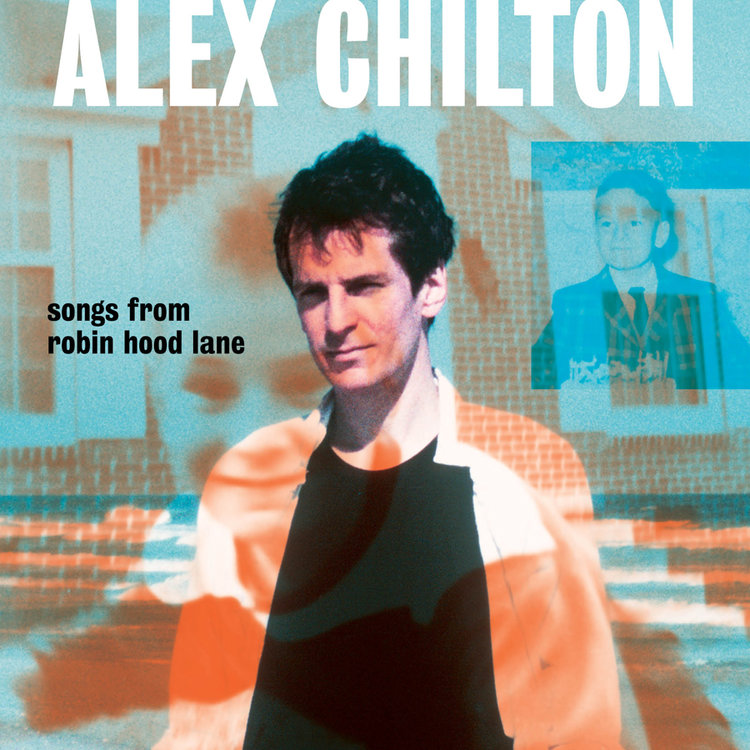 For a long time, whenever someone brought up the term or referred to The Great American Songbook, my eyes would roll a bit. Rightfully or not, it conjured images of a crooning Rod Stewart delivering bland covers of American popular songs and jazz standards from yesteryear. Having raised myself on scrappy indie rock, The Velvet Underground, and a little bit of punk in high school, this wasn’t the kind of music that spoke to me in my teenage and early college years. So, when I began to discover the music of Big Star and Alex Chilton, the kind of cool jazz presented on Songs From Robin Hood Lane was pretty far off my radar and frame of reference. Although, I would eventually come around (at least a little).
 Time Flies is the latest excursion from Ben Rosenbach’s one-man electronic post-rock project Our Alarm Clock. Now a Dad in his thirties, he spent most of his formative musical years playing in playing in Christian rock bands. His latest is a collection on which the worship rock alumni takes us through a secular and mostly wordless song cycle filled with deep pockets of ambient, pop, and post-rock; all of which are all filtered through his spiritually honed inner lens.
 There’s a chasm of time, sobriety, and emotional distance that separates From Memphis to New Orleans one of Bar None’s latest Alex Chilton compilations from what some consider his most vital work both with Big Star, and his equally ground breaking art-damaged punk informed late’s 1970’s solo work. That’s not to say there isn’t plenty to love on here, but you might just have to open your mind a bit to appreciate what’s being presented here. My introduction to this era of Alex was via the Rhino Compilation 19 Years: A Collection back when I was in college. At first, I just didn’t get it all. How did the wounded brilliant soul behind the emotional chaos of Big Star’s 3rd morph into the guy delivering the tongue in cheek sleaziness of “Take It Off” by the end of the collection? I was mystified, and more than a little non-plussed at first. Which probably would have delighted Alex to no end. I think that’s a lot of fans’ initial reaction to this stuff who come into this era of Alex’s work via Big Star fandom.
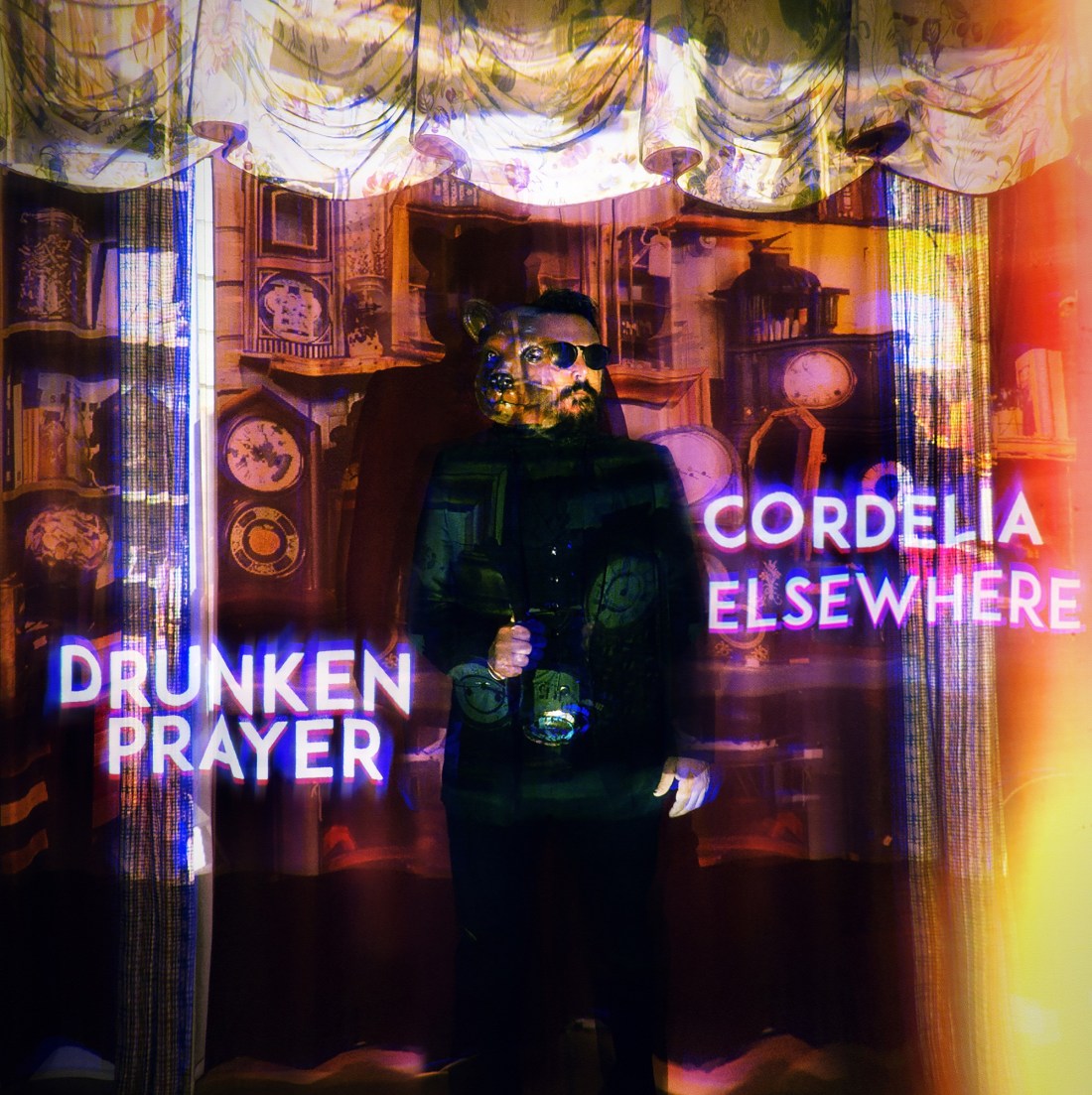 Cordelia Elsewhere is the fifth album from Drunken Prayer, which is the nom de plum of stalwart Freakwater guitarist Morgan Geer. It plays like a collection of aural snapshots gathered from a life spent on the road. “I hate what they did to my town, so I moved to another town.” Geer sings on the ragged and rockin’ “Cordelia.” It appears that he’s always been a traveler, a trend that began as he followed his folk singer mom around the country on tour as a youth.
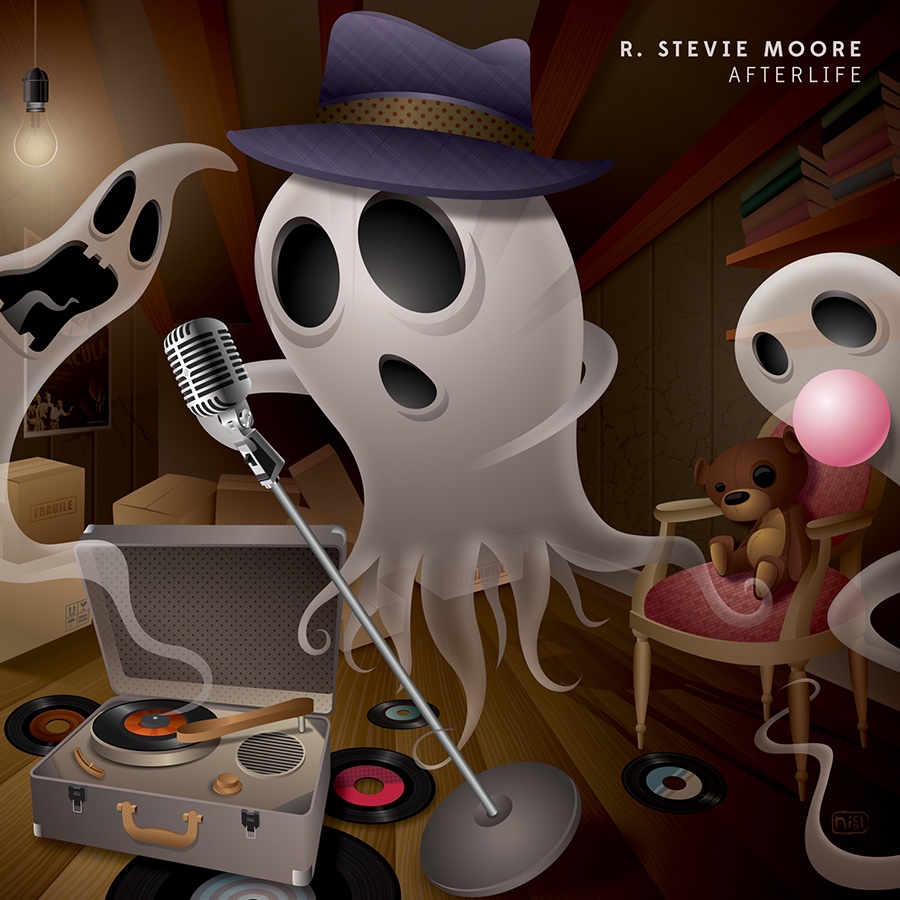 Curmudgeonly Godfather of DIY, R. Stevie Moore has been responsible for springing hundreds of self-released albums on the unsuspecting public for over the past 50 years. Taking the universal sounds of The Beatles, early Zappa, The Beach Boys, and Todd Rundgren (to name just a few), he excels at shaping these influences into his own unique brand of outsider pop that exists in a universe all its own.
 Sparrow Steeple’s Tin Top Sorcerer is the group’s debut for best label Trouble In Mind, and it’s a tight collection of some real gone Philadelphia-style psychedelic garage rock stompers. The kind they don’t really make anymore. You can almost hear the cans of watery domestic ales popping between takes, and picture the ramshackle recording set up these guys committed these whoppers to tape on. These guys have the credentials that are needed to pull this kind of stuff off, as four members of the band used to be part of the legendary 1990’s Siltbreezers known as The Strapping Fieldhands.
 The 13th Track